
How to Get Expedited Travel Documents
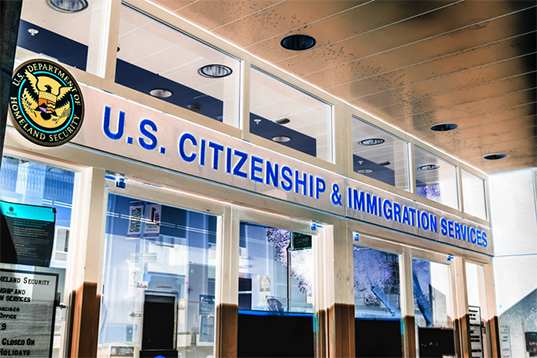
USCIS can expedite an application for a travel document in emergency situations. It usually takes up to three months to get a travel document and applicants should not leave the country before applying. It is very difficult to obtain a travel document from outside the U.S.
Steps to Get Expedited Travel Documents
Some U.S. immigrants require travel documents to re-enter the country after travelling abroad. There are four types of travel documents:
- Advance Parole travel documents are mostly used for persons with pending green card (permanent residency) applications.
- Advance Parole for Asylees travel documents are used for persons who have applied for U.S. asylum and have pending I-589 applications.
- Refugee travel documents are used for persons who have been granted refugee or asylum status or who have become U.S. permanent residents (green card holders) through their refugee or asylee status.
- Re-entry Permit travel documents are for U.S. green card holders who will be out of the country for one year or more.
1. The applicant collects evidence of the emergency which requires them to travel abroad immediately.
USCIS may expedite a travel document in the following situations:
- The individual or their company will experience severe financial loss
- Extreme emergencies (family, medical, etc.)
- Humanitarian situations
- Nonprofit status of requesting organization in furtherance of the cultural and social interests of the United States (This request must come from an official U.S. government entity and state how, if the applicant does not travel immediately, it could be detrimental to the U.S. government.)
2. The applicant completes Form I-131, Application for Travel Document.
The required filing fee, two passport-style photos, and evidence of the emergency situation must all be included in the application package.
3. Write the word “EXPEDITE” in the top right corner of the application in black ink.
USICS recommends providing an email address and fax number with any expedited applications.
4. The applicant files the application at the designated place, depending on the benefit sought.
In case of an extremely urgent situation, the applicant can file emergency advance parole application at the local USCIS office.
5. The applicant attends a biometrics appointment before leaving the U.S.

